G20
We are to know God & who He Is.
Category: God & Yeshua
Type: Positive
Form: Implied
Source dataset: Old Testament
Uniqueness: Unique
Classical commandment: No
New Covenant Literal Application
Applies to Person Categories: Everyone
 Jewish
 K'rov Yisrael
 Gentile
More explanation about the icons and New Covenant Literal Application
The New Covenant Literal Application Code (NCLA) is an interpretive guide used by the authors to indicate which person categories a mitzvah applies to, and at what level of literal compliance.
Each card above groups one application level such as mandated or optional. The three people icons show whether that application is meant for Jewish, K'rov Yisrael, or Gentile believers, and the male or female symbols show whether it applies to men, women, or both.
This code reflects the authors' interpretive opinion and is provided for prayerful consideration. The icon view is only a visual summary; the detailed codes and source explanation remain available below for careful study.
Detailed codes: GFm - Gentile female, mandated | GMm - Gentile male, mandated | JFm - Jewish female, mandated | JMm - Jewish male, mandated | KFm - K'rovat Yisrael female, mandated | KMm - K'rov Yisrael male, mandated

Bible references
Key NT Scriptures
- Galatians 4:8-9
- John 17:3
Key OT Scriptures
- Isaiah 43:10
- Jeremiah 31:32-33
Supportive NT Scriptures
- Acts 13:22
- Acts 14:17
- Acts 15:18
- Acts 17:27-28
- Acts 23:11
- Colossians 3:13
- 1 Corinthians 1:9
- 1 Corinthians 1:21
- 1 Corinthians 1:23-24
- 1 Corinthians 2:3-5
- 1 Corinthians 8:4
- 1 Corinthians 8:6
- 2 Corinthians 1:3-5
- 2 Corinthians 2:14
- 2 Corinthians 9:8-9
- 2 Corinthians 13:14
- Ephesians 1:5-8
- Ephesians 1:11
- Ephesians 2:4
- Ephesians 2:8
- Ephesians 4:5-6
- Ephesians 6:10-11
- Galatians 3:20
- Galatians 4:8
- Hebrews 1:3
- Hebrews 1:11-12
- Hebrews 4:13
- Hebrews 4:16
- Hebrews 6:17
- Hebrews 8:11
- Hebrews 10:30
- Hebrews 13:6
- James 1:12
- James 1:17
- James 2:23
- James 3:17
- James 4:12
- James 5:14-15
- John 1:14
- John 1:18
- John 3:16
- John 4:24
- John 5:19-20
- John 5:26
- John 10:30
- John 13:3-8
- John 14:7-11
- John 14:15-16
- John 14:26
- John 16:13-15
- John 16:33
- 1 John 1:9
- 1 John 3:20
- 1 John 4:8
- 1 John 4:12-16
- 1 John 4:19-20
- Luke 6:37
- Luke 22:34
- Mark 1:10-11
- Mark 11:25
- Mark 12:28-29
- Mark 14:36
- Matthew 3:16-17
- Matthew 5:1-11
- Matthew 6:13-14
- Matthew 6:26
- Matthew 7:7-11
- Matthew 10:29
- Matthew 19:16-17
- Matthew 19:26
- Matthew 20:28
- Matthew 23:9
- Matthew 28:19
- 1 Peter 1:3-4
- 1 Peter 1:16-19
- 2 Peter 1:3
- 2 Peter 3:9
- 2 Peter 3:15
- Philippians 3:10-11
- Philippians 4:7
- Philippians 4:13
- Philippians 4:19
- Revelation 1:8
- Revelation 4:8
- Revelation 19:1
- Romans 1:5
- Romans 1:20
- Romans 1:32
- Romans 2:2
- Romans 2:4
- Romans 2:16
- Romans 3:24
- Romans 5:5
- Romans 5:8
- Romans 6:23
- Romans 8:26-27
- Romans 9:15-16
- Romans 9:23
- Romans 11:33-34
- Romans 12:1
- Romans 12:6-8
- Romans 12:19
- Romans 15:4-6
- Romans 16:25-27
- 1 Thessalonians 4:3-5
- 2 Thessalonians 1:6-8
- 1 Timothy 1:17
- 1 Timothy 2:5
- 1 Timothy 4:4
- 1 Timothy 6:15-16
- Titus 1:16
- Titus 3:4
Supportive OT Scriptures
- 1 Chronicles 16:25
- 1 Chronicles 28:9
- Daniel 9:9
- Daniel 11:32
- Deuteronomy 4:7-8
- Deuteronomy 4:39
- Deuteronomy 6:4
- Deuteronomy 6:24
- Deuteronomy 7:8-9
- Deuteronomy 7:13-14
- Deuteronomy 10:21
- Deuteronomy 31:6
- Deuteronomy 32:6
- Deuteronomy 32:35
- Ecclesiastes 11:5
- Exodus 3:14
- Exodus 4:15
- Exodus 13:8-9
- Exodus 14:14
- Exodus 15:2
- Exodus 15:6
- Exodus 15:11
- Exodus 15:26
- Exodus 16:4
- Exodus 20:4-5
- Exodus 23:25
- Exodus 24:12
- Exodus 24:16
- Exodus 29:46
- Exodus 31:13
- Exodus 33:11
- Exodus 33:19-23
- Exodus 34:6-7
- Exodus 34:13-14
- Ezekiel 9:3
- Ezekiel 10:19
- Ezekiel 11:5
- Ezekiel 25:17
- Ezekiel 38:16
- Ezekiel 38:23
- Genesis 1:1-2
- Genesis 1:26-27
- Genesis 2:3
- Genesis 3:8-10
- Genesis 3:22
- Genesis 5:22-24
- Genesis 6:9
- Genesis 11:7
- Genesis 18:24-25
- Genesis 22:8
- Genesis 22:13-14
- Genesis 22:16-18
- Genesis 31:42
- Habakkuk 2:14
- Hosea 2:22
- Hosea 5:4
- Hosea 6:3
- Hosea 8:2
- Isaiah 2:3
- Isaiah 6:3
- Isaiah 6:8
- Isaiah 9:5
- Isaiah 25:1
- Isaiah 30:18-19
- Isaiah 33:22
- Isaiah 40:28
- Isaiah 41:4
- Isaiah 41:8
- Isaiah 41:13
- Isaiah 42:8
- Isaiah 43:11
- Isaiah 45:4-5
- Isaiah 46:9-11
- Isaiah 48:9
- Isaiah 48:16
- Isaiah 49:3
- Isaiah 49:26
- Isaiah 54:13
- Isaiah 54:17
- Isaiah 55:8-9
- Isaiah 57:15
- Isaiah 60:16
- Isaiah 61:1
- Isaiah 63:7
- Isaiah 64:7
- Jeremiah 2:8
- Jeremiah 4:22
- Jeremiah 9:5
- Jeremiah 9:22-23
- Jeremiah 9:23
- Jeremiah 10:6
- Jeremiah 15:15
- Jeremiah 17:14
- Jeremiah 20:13
- Jeremiah 23:23-24
- Jeremiah 32:17-18
- Jeremiah 32:27
- Job 11:7-11
- Job 18:21
- Job 23:13
- Job 25:2
- Job 28:28
- Job 36:26
- Joel 2:13
- Joshua 1:9
- 1 Kings 3:5-6
- 1 Kings 8:10-11
- 1 Kings 8:27
- 1 Kings 8:41-42
- Lamentations 5:19
- Leviticus 20:26
- Malachi 2:10
- Malachi 3:6
- Malachi 3:10
- Micah 4:2
- Micah 7:18-19
- Nahum 1:2
- Nehemiah 1:5
- Nehemiah 9:31-33
- Numbers 6:23-27
- Numbers 12:6-8
- Numbers 14:18
- Numbers 14:21-23
- Numbers 23:19
- Proverbs 1:7
- Proverbs 3:5-6
- Proverbs 3:19
- Psalms 3:2-4
- Psalms 5:9
- Psalms 9:10-11
- Psalms 13:6
- Psalms 18:31
- Psalms 19:2
- Psalms 20:8
- Psalms 23:2
- Psalms 24:10
- Psalms 25:4-9
- Psalms 27:11
- Psalms 30:3
- Psalms 31:4
- Psalms 31:5
- Psalms 31:15
- Psalms 32:7-8
- Psalms 34:9
- Psalms 43:3
- Psalms 46:2
- Psalms 47:7
- Psalms 47:7-9
- Psalms 48:2
- Psalms 54:6
- Psalms 56:4-5
- Psalms 59:14
- Psalms 68:5
- Psalms 71:17
- Psalms 79:9
- Psalms 84:13
- Psalms 86:10-11
- Psalms 86:15
- Psalms 89:2-3
- Psalms 89:7
- Psalms 90:1-2
- Psalms 93:1-2
- Psalms 94:1
- Psalms 95:3
- Psalms 96:4
- Psalms 99:2-4
- Psalms 102:13
- Psalms 102:27-28
- Psalms 103:2-4
- Psalms 103:8
- Psalms 103:13
- Psalms 104:1
- Psalms 106:48
- Psalms 107:9
- Psalms 107:19-20
- Psalms 111:10
- Psalms 113:5
- Psalms 115:3
- Psalms 115:12-13
- Psalms 118:6
- Psalms 119:68
- Psalms 119:102
- Psalms 119:114
- Psalms 121:7
- Psalms 124:8
- Psalms 130:4
- Psalms 135:5
- Psalms 139:1-10
- Psalms 140:13
- Psalms 143:10
- Psalms 145:3-4
- Psalms 145:8-9
- Psalms 145:17
- Psalms 147:3
- Psalms 147:5
- Psalms 147:8
- 1 Samuel 2:2
- 1 Samuel 13:14
- 1 Samuel 15:29
- 1 Samuel 20:14
- 2 Samuel 7:22
- 2 Samuel 7:28
- 2 Samuel 22:26
- Zechariah 4:6
Bible verses copyright: PUBLIC DOMAIN except in the United Kingdom, where a Crown Copyright applies to printing the KJV. See http://www.cambridge.org/about-us/who-we-are/queens-printers-patent

Commentary
Rabbi Michael Rudolph
Scripture commands us to know God, but we cannot know Him without knowing something about who He is. It is true of humans as well. We can know everything about a person and still not know him because knowing a person requires that there be a relationship; if there is none, then we do not really know him. Scripture exhorts us to know God by having an intimate and personal relationship with Him; for example: John 17:3 : And eternal life is this: to know you, the one true God, and him whom you sent, Yeshua the Messiah. 1 John 4:8 : Those who do not love do not know God; because God is love. Indeed, Scripture tells us that God is our heavenly father; but, do we relate to Him as a father? One test is whether we relate to Him as we do (or should do) our earthly father. We talk to our earthly father. Do we talk to God? We listen when our earthly father speaks. Do we hear God when He talks to us? Ideally, we love our earthly father (and mother) because they gave birth to us and first loved us. God gave birth to us through His creation and 1 John 4:19 says: We ourselves love now because he loved us first. Loving God is foundational to our having a personal relationship with Him, and we cannot love God without knowing Him, and cannot know Him without knowing who He is. How do we know who God (in fact any person) is? We have to spend time with a person to know who he or she is, and it is no less true of God. If this Mitzvah causes us to evaluate whether we spend enough time with God to know who God is, then it has done its job. It is important that we know how to spend time with a God whom we cannot see. First, we can converse with God. If we are a believer, we know that God hears us when we speak to Him, but what is sometimes more challenging is hearing Him when He speaks to us. For those of us that confess that we rarely hear God or do not hear God at all, I would say that the first step in our hearing Him is our believing that we can. Our ability to know God through conversing with Him is a foundational attribute and empowerment of the New Covenant; we read in Jeremiah 31:32-33(33-34) : "For this is the covenant I will make with the house of Isra'el after those days," says ADONAI: "I will put my Torah within them and write it on their hearts; I will be their God, and they will be my people. No longer will any of them teach his fellow community member or his brother [to] 'Know ADONAI'; for all will know me, from the least of them to the greatest; because I will forgive their wickednesses and remember their sins no more." God says that the New Covenant he will make with the Israelites will result in everyone who is party to it knowing Him as Lord and, to achieve it, He will put the Torah within each of us, and write it on each of our hearts. I have no doubt that the Israelites of old who heard Jeremiah speak his prophesy did not have a clear understanding of how God would bring it to pass, but we now know that He did it by sending the Holy Spirit to indwell those of us who receive him. For that reason, knowing God must involve the Holy Spirit for, without the Holy Spirit, we are out of communication with both Yeshua and the Father, and therefore out of communication with God. God has graciously provided us with help for our getting to know Him, and that help is the Bible that tell us about Him - ergo , the Scriptures quoted in this Mitzvah about knowing Him. We must keep in mind, however, that knowing God (which is the goal) is different from knowing about Him, but knowing about Him helps us to know Him. Here are two Scriptures that exhort us to have knowledge about Him: Ephesians 1:16-17 : I have not stopped giving thanks for you. In my prayers I keep asking the God of our Lord Yeshua the Messiah, the glorious Father, to give you a spirit of wisdom and revelation, so that you will have full knowledge of him. Colossians 1:9-10 :&nbosp Therefore, from the day we heard of it, we have not stopped praying for you, asking God to fill you with the knowledge of his will in all the wisdom and understanding which the Spirit gives; so that you may live lives worthy of the Lord and entirely pleasing to him, being fruitful in every good work and multiplying in the full knowledge of God. While these Scriptures exhort us to have knowledge of God, they do not themselves give us that knowledge. I therefore refer the reader of this Mitzvah to the above list of God's many attributes. The list tells us who God is and, interestingly, most of the items on it tell us who we should be as well. We achieve those attributes by putting off our old selves, and modeling our new selves after Yeshua ( Ephesians 4:22-24 ).
Classical commentators
The mitzvot compiled by Maimonides, Meir, and HaChinuch command us to believe in God, to love Him, worship Him, fear Him, cleave to Him and relate to Him in other ways, but they do not address knowing Him.
Copyright © Michael Rudolph and Daniel C. Juster, The Law of Messiah, Torah from a New Covenant Perspective, Volume 1 & 2

Drawings
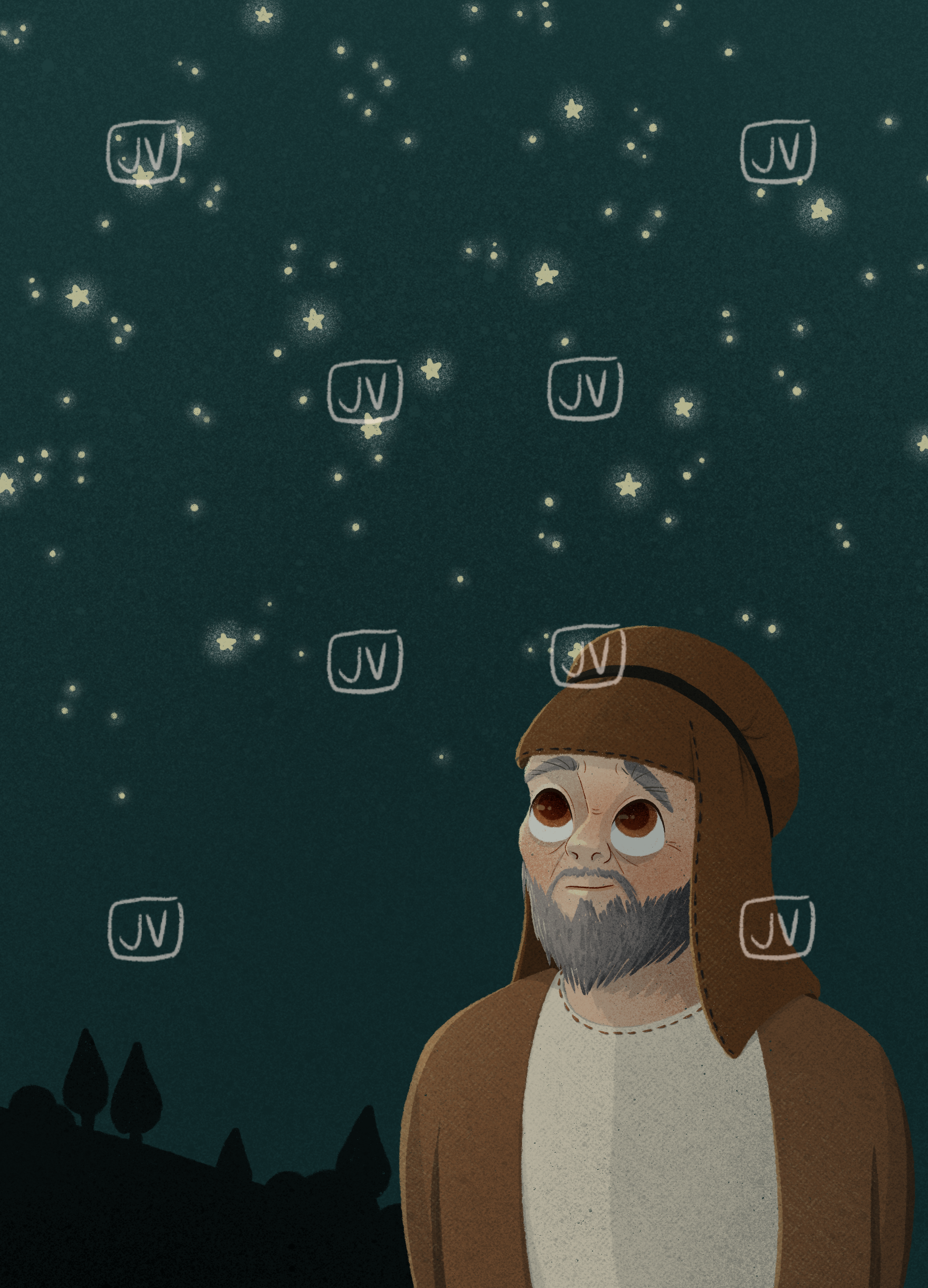
Artist: Jenske Visser
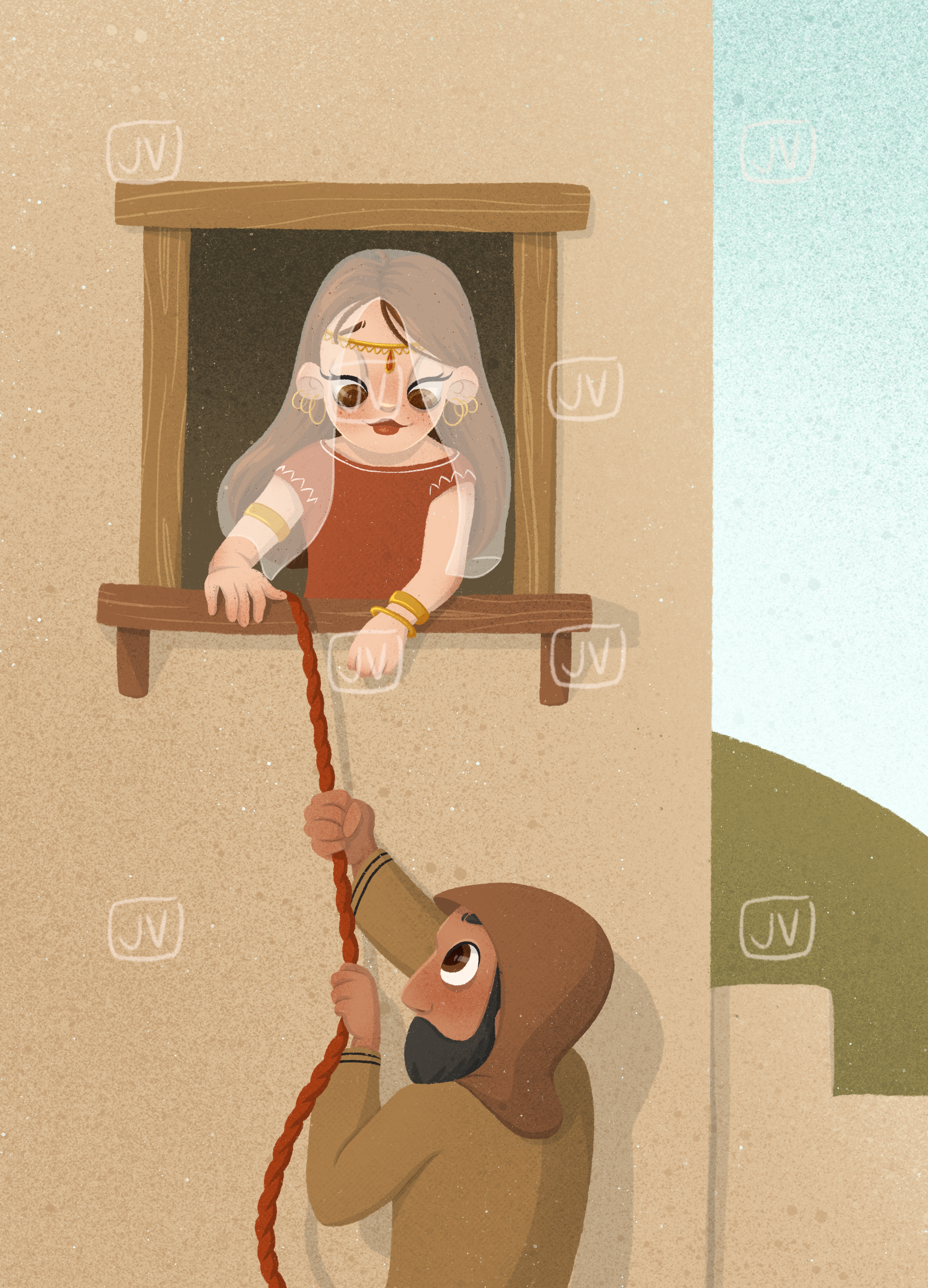
Artist: Jenske Visser

Short Movies
Moving Works - Open the door
We all suffer at the hands of other people. In Junko’s case, she was abused as a child and found herself isolated and in deep sorrow. Then, a gradual feeling of love grew in her heart and opened the door to a life that she never knew existed.
Keith Green - The prodigal son

Movies
Strong Foundation Film - Who am I?
Pastor Joe, is a young family man who leads a church in an active city where he reaches out to the poor and destitute in any way he can. One day, a woman named Tasha comes to his church seeking for help. Pastor Joe sits down with her and she shares an intense life story. She shares how she was born, how she was set free from a world of drugs, racism, theft, and human trafficking. Her story becomes increasingly complex as people from her past come in contact with Pastor Joe with their own life struggles of suicide, teen pregnancy, and abortion. As their stories tie together it brings hope, redemption, and salvation to the forefront and gives us a picture of what it means to experience the transformation of God, going from darkness to light, and to continue on the narrow path each and every day

Source and License
Based on The Law of Messiah - Torah from a New Covenant Perspective by Michael Rudolph and Daniel C. Juster.
License: CC BY-ND 4.0 (Attribution required, NoDerivatives). CC BY-ND 4.0
Disclaimer: the original content is authored by Rabbi Michael Rudolph and Rabbi Daniel Juster; additional notes or implementation details on this website are not part of their original work and do not represent their views.
Record source: The Law of Messiah - Torah from a New Covenant Perspective - Volume 1 & 2
Copyright note: Copyright © Michael Rudolph and Daniel C. Juster, The Law of Messiah, Torah from a New Covenant Perspective, Volume 1 & 2