DA41
We are to continue in brotherly friendships but be friendly to neighbors and outsiders as well.
We are be friends with brothers
We are to be friendly to our outsiders
Category: Neighbours & Brothers
Type: Positive
Form: Explicit
Source dataset: New Testament
Uniqueness: Unique
Classical commandment: No
New Covenant Literal Application
Applies to Person Categories: Everyone
 Jewish
 K'rov Yisrael
 Gentile
More explanation about the icons and New Covenant Literal Application
The New Covenant Literal Application Code (NCLA) is an interpretive guide used by the authors to indicate which person categories a mitzvah applies to, and at what level of literal compliance.
Each card above groups one application level such as mandated or optional. The three people icons show whether that application is meant for Jewish, K'rov Yisrael, or Gentile believers, and the male or female symbols show whether it applies to men, women, or both.
This code reflects the authors' interpretive opinion and is provided for prayerful consideration. The icon view is only a visual summary; the detailed codes and source explanation remain available below for careful study.
Detailed codes: GFm - Gentile female, mandated | GMm - Gentile male, mandated | JFm - Jewish female, mandated | JMm - Jewish male, mandated | KFm - K'rovat Yisrael female, mandated | KMm - K'rov Yisrael male, mandated

Bible references
Key NT Scriptures
- Hebrews 13:1-2
- Matthew 5:47
Supportive NT Scriptures
- 2 Corinthians 6:14
- John 15:12-15
- Mark 12:31
- Titus 3:1-2
Supportive OT Scriptures
- Exodus 33:11
- Job 6:14
- Proverbs 17:9
- Proverbs 17:17
- Proverbs 18:24
- Proverbs 22:24
- Proverbs 27:6
- Proverbs 27:9
Bible verses copyright: PUBLIC DOMAIN except in the United Kingdom, where a Crown Copyright applies to printing the KJV. See http://www.cambridge.org/about-us/who-we-are/queens-printers-patent

Commentary
Rabbi Michael Rudolph
Hebrews 13:1-2 distinguishes between having friendships with brothers and being friendly (hospitable) to outsiders. Friendship is covenantal and implies a deeper commitment to one another than just being friendly. Proverbs 18:24 says: “Some ‘friends’ pretend to be friends, but a true friend sticks closer than a brother.” One can, however, be friendly to a person who is a mere acquaintance – not a brother, not a friend, and one who is even an enemy. In my opinion, the Hebrews 13 requirement that we be friendly to outsiders should be understood to mean people outside of faith in the God of Abraham, Isaac, and Jacob. 2 Corinthians 6:14 says: “Do not yoke yourselves together in a team with unbelievers. For how can righteousness and lawlessness be partners? What fellowship does light have with darkness?” For that reason, some would say that the Hebrews 13 Scripture means that we cannot have friendships outside of faith in Yeshua and the New Testament. I am, however, of the opinion that, unlike the covenant of marriage, the biblical covenant of friendship can be achieved so long as both parties believe in, and adhere to, the principles taught in the Tanakh . Now, why the emphasis on being friendly to outsiders? It is because we are responsible for sharing the Good News of Yeshua to those who do not know him as Messiah and, without being friendly to outsiders, we cannot minister to people who are outside the faith. As for the reference in Hebrews 13 to entertaining angels, I believe it is referring to people who have been specially blessed to have had an encounter with God.
Copyright © Michael Rudolph and Daniel C. Juster, The Law of Messiah - Torah from a New Covenant Perspective - Volume 3

Drawings
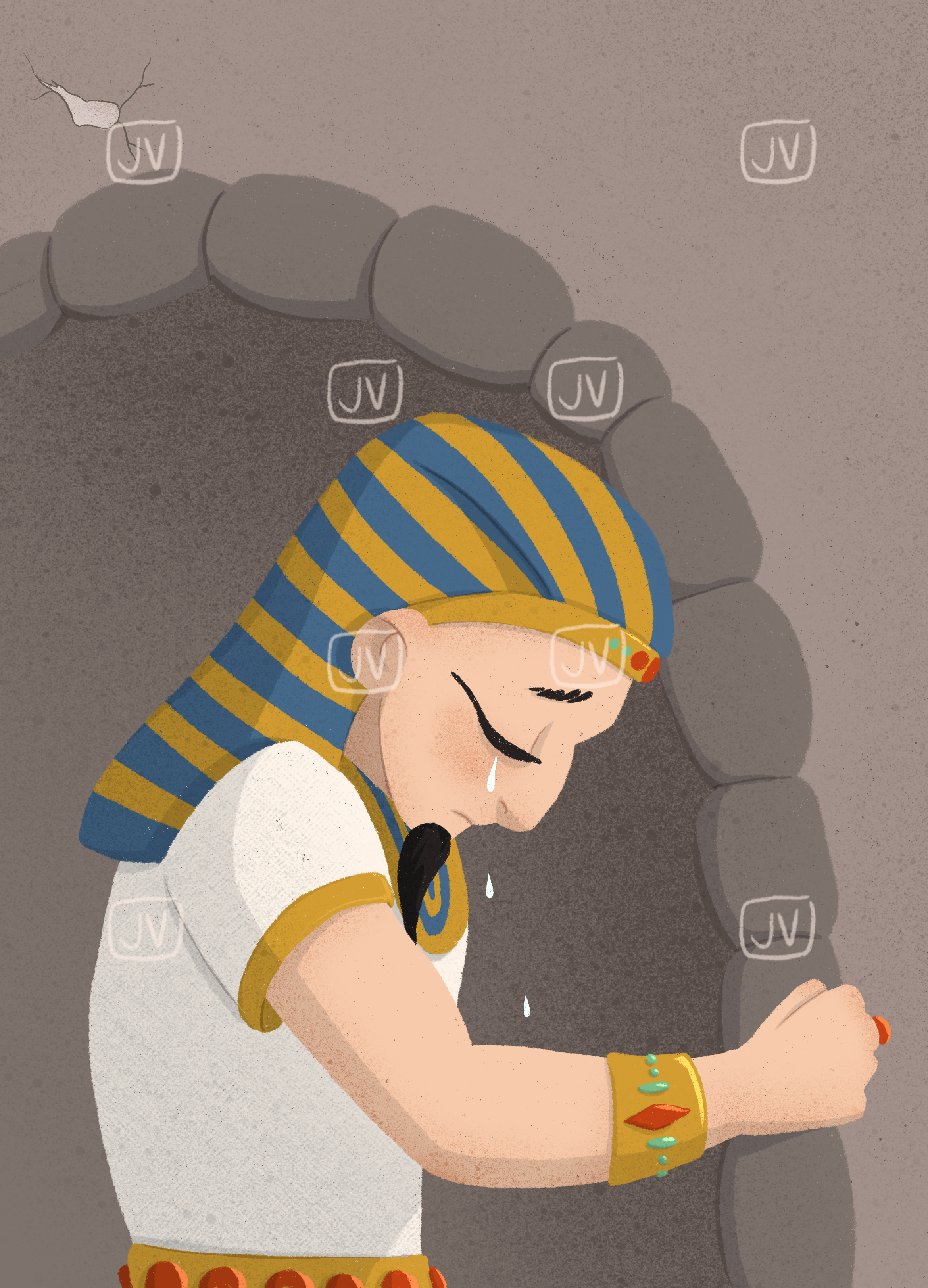
Artist: Jenske Visser

Source and License
Based on The Law of Messiah - Torah from a New Covenant Perspective by Michael Rudolph and Daniel C. Juster.
License: CC BY-ND 4.0 (Attribution required, NoDerivatives). CC BY-ND 4.0
Disclaimer: the original content is authored by Rabbi Michael Rudolph and Rabbi Daniel Juster; additional notes or implementation details on this website are not part of their original work and do not represent their views.
Record source: The Law of Messiah - Torah from a New Covenant Perspective - Volume 3
Copyright note: Copyright © Michael Rudolph and Daniel C. Juster, The Law of Messiah - Torah from a New Covenant Perspective - Volume 3