27
Jesus His Commandment
-
Matthew 5:44-47
This Primary Bible reference is a unique Bible reference according to the words of Jesus, which best summarizes this step.
- Do not say, I’ll do to them as they have done to me

Direct Bible References
Extra direct Bible references which expands or explain the same step.
- Matthew 5:43
- Mark 10:19
- Romans 12:14
Indirect Bible References
Extra, more indirect Bible references, relating to the same step.
- Joshua 20:5
- Ephesians 5:1-2
OT Law Bible References
Old Testament Law Bible references which will relate to OT Commandments (Jewish tradition teached that there are 613 commandments or mitzvot in the Torah).
- Leviticus 19:18
Example Bible References
In these Bible references you will find examples and testimonies how this step was being executed.
- 2 Chronicles 19:2
- Psalms 141:5-6
Wisdom Bible References
Wisdom Bible references will relate to one of the Wisdom Literare Books from the Old Testament.
- Proverbs 24:29
- Proverbs 25:21-22
- Ecclesiastes 10:20
Duplicate Bible References
Another Bible reference to more or less the same as the primary, direct or indirect, with not much new information, although it will confirm the same Bible references:
- Luke 6:27-35
- Luke 18:20
- Romans 12:20
Study Bible References
Extra Bible references (most often larger parts of Bible books) which are good for extra study on this step:
- 2 Kings 6:8-23
- Psalms 139:1-24
Legend
Bible verses copyright: PUBLIC DOMAIN except in the United Kingdom, where a Crown Copyright applies to printing the KJV. See http://www.cambridge.org/about-us/who-we-are/queens-printers-patent
Click here to see an explanation of the symbols, Author, OT Law, commentary buttons, and the original text tools.
Each Bible reference can show the verse text itself, related commentary, and the original-language study tools directly below that same reference.
- A related Bible reference to the step which is negative, something you should not do
- A related Bible reference to the step which is both positive and negative
- A related Bible reference to the step which is positive, something you should do or learn from
- A related Bible reference to the step which is not yet determined positive or negative
- Author shows who most likely wrote the Bible book or passage. This helps place the verse in its historical setting.
- OT Law points to the Old Testament commandment or Torah theme that is linked to this step.
- Other Commentary opens Christian or general Bible commentary for the New Testament reference directly on this page.
- Jewish Commentary opens Jewish commentary from Sefaria. Sefaria is a digital library of Jewish texts that makes Torah, Tanakh, Talmud, and related commentary broadly accessible online.
- Original text opens the Hebrew or Greek source words with Strong’s information. This is useful because every translation already includes interpretation, while the source word can carry several possible shades of meaning.
- Example: click Original text under a verse, then click one of the Hebrew or Greek words to inspect possible meanings, related occurrences, and dictionary links.
"Lord, make me an instrument of thy peace. Where there is hatred, let me sow love"
Quote by: Francis of Assisi

Drawings
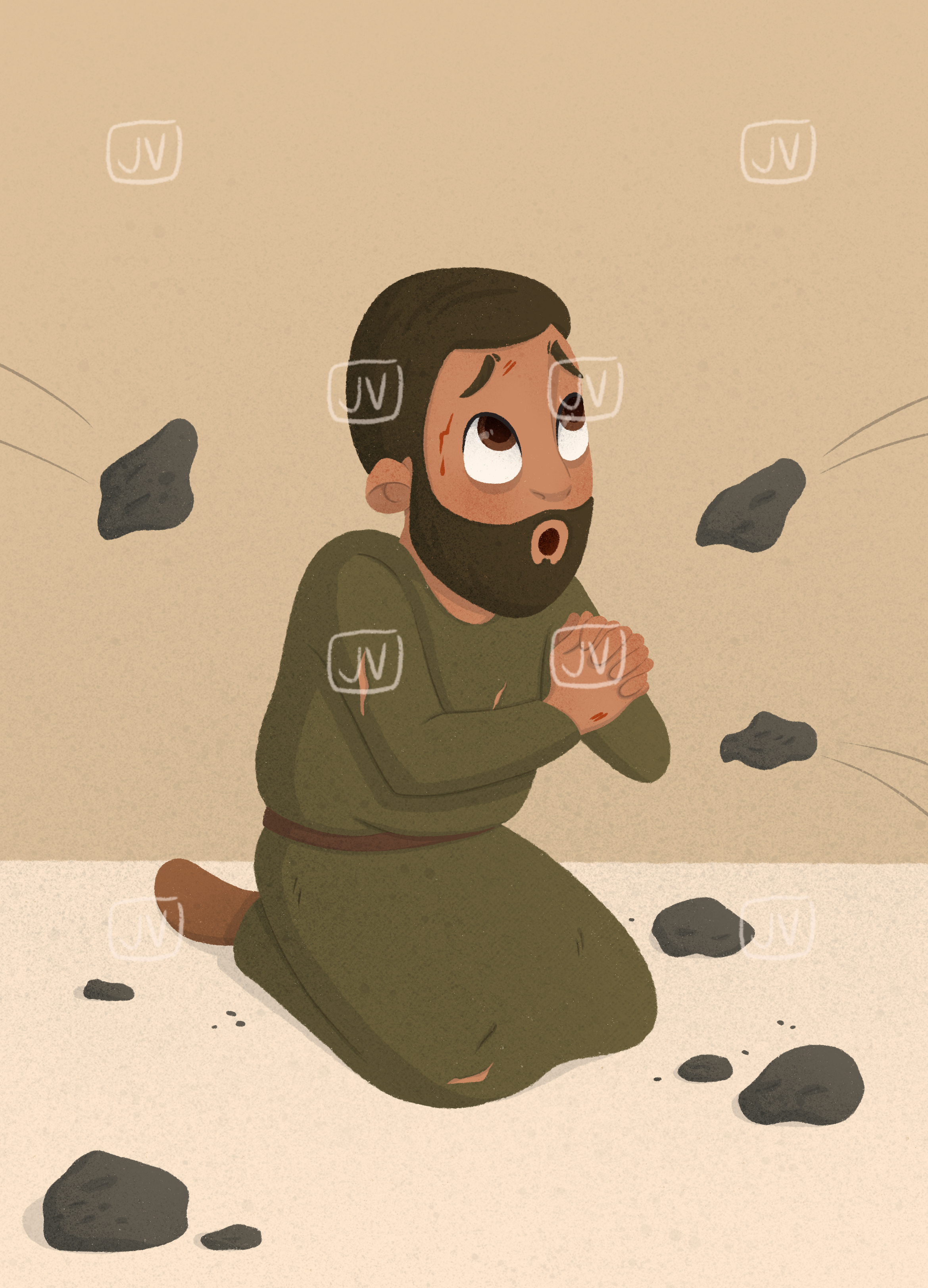
Artist: Jenske Visser
Resource Language Settings
Below you will find all kinds of related resources to this step, to help you grow. Resources can be Sermons, Testimonies, Movies, Shortmovies, Songs, Blogs or Books. You can select multiple languages if you like to see those resources in more languages.Do you know more good resources in your language which can be added to this list? Please contact us so we can add it (or register and you can add it yourself!

Short Movies
Jonathan Cahn - The Class Of The Talmidim
How does the fruit of love grow?

Questions
Share your hearts together by discussing the following questions:
- Is there anything you don't understand within this step?
- Wat appeals to you about all Bible references and resources?
- How do you apply this step in your life or do you experience any boundaries?
- Do you really want to be a follower of Jesus?
- Enemies are the people who God puts on your way which are hard for you to love. Who are enemies for you?
- Read 2 Kings 6:8-23, how does Elisha deal with his enemies? What do you learn from this?
